Beni Altmüller
(Linz 1952)
The following artworks are for sale
-
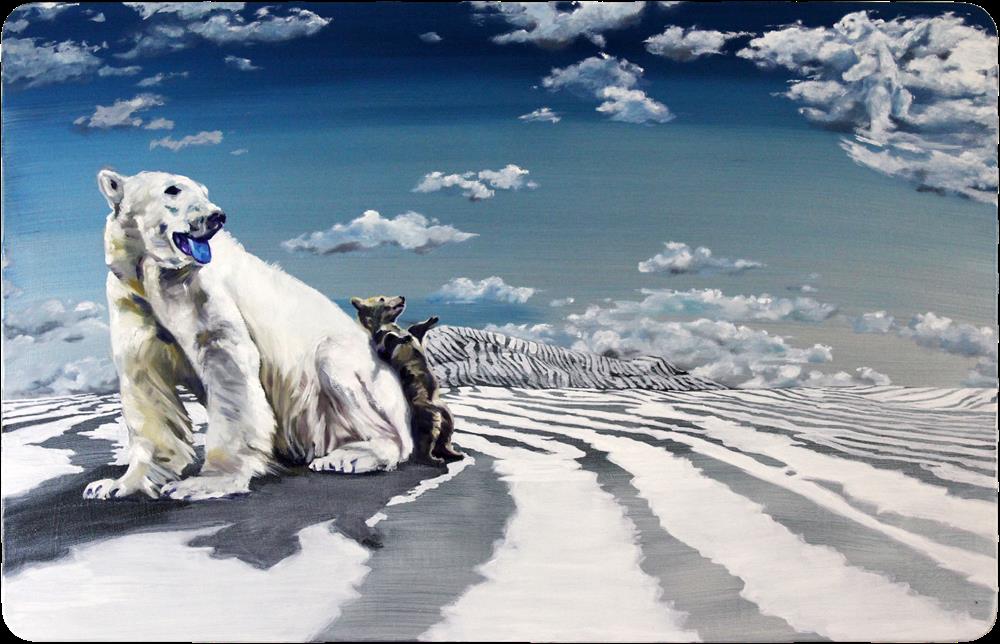
Altmüller Beni Wie im Himmel 2022
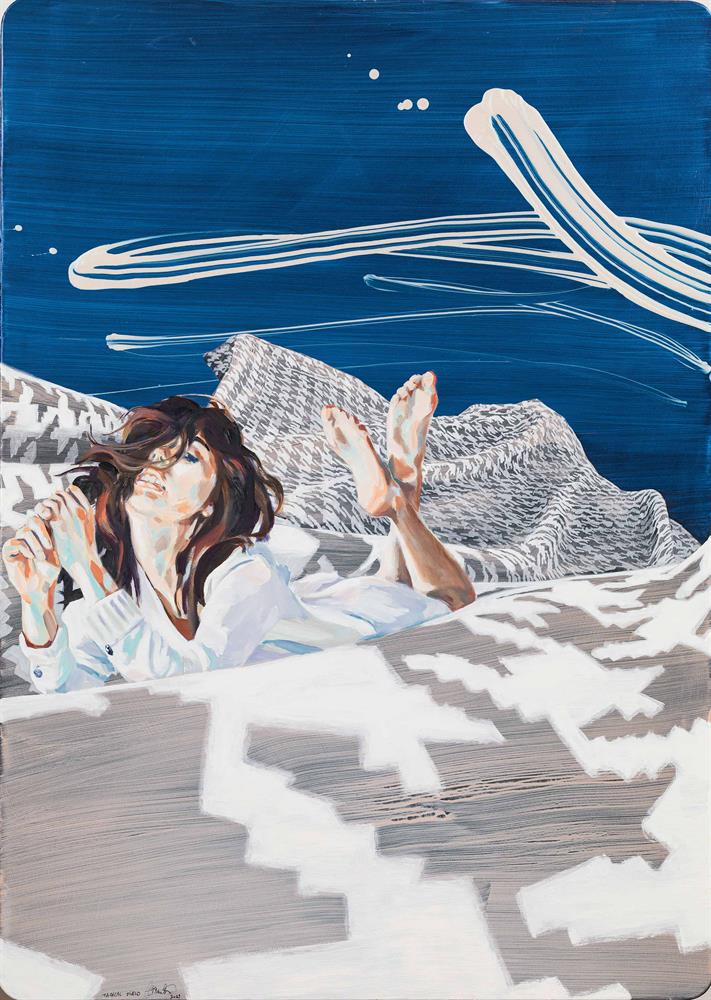
Altmüller Beni Magical Field 2021
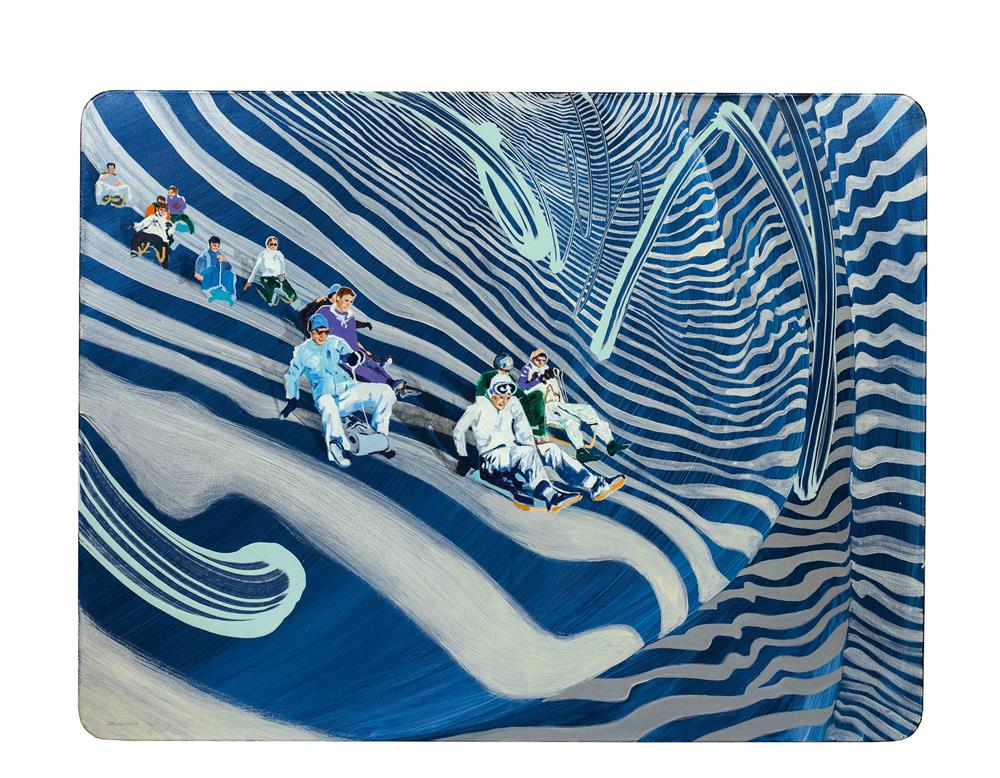
Altmüller Beni Dezember 2017
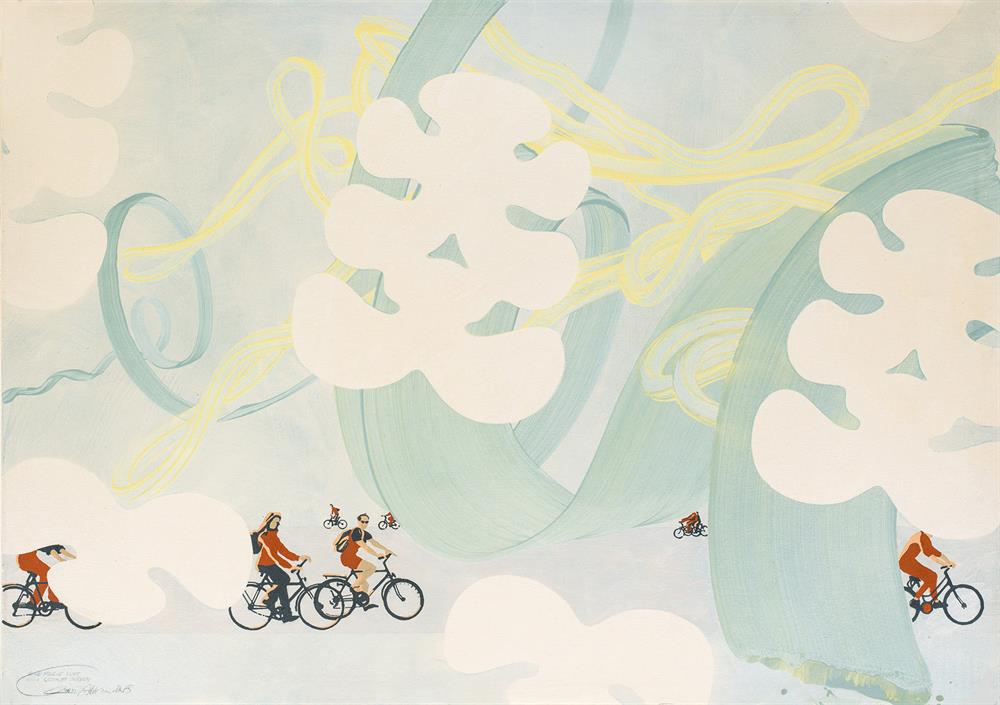
Altmüller Beni Eine freie Luft will gesucht werden 2005
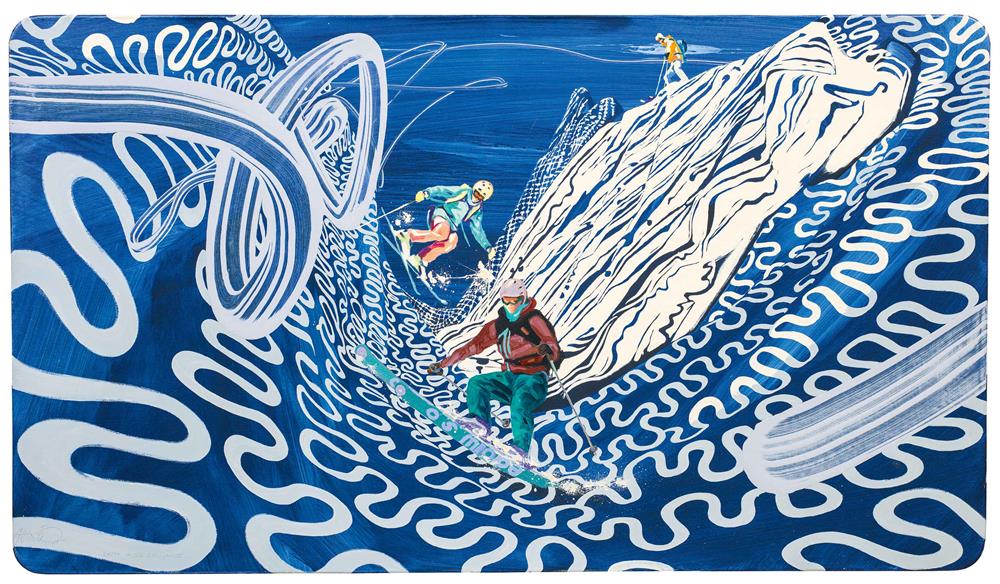
Altmüller Beni Drift in die Ereignisse 2015
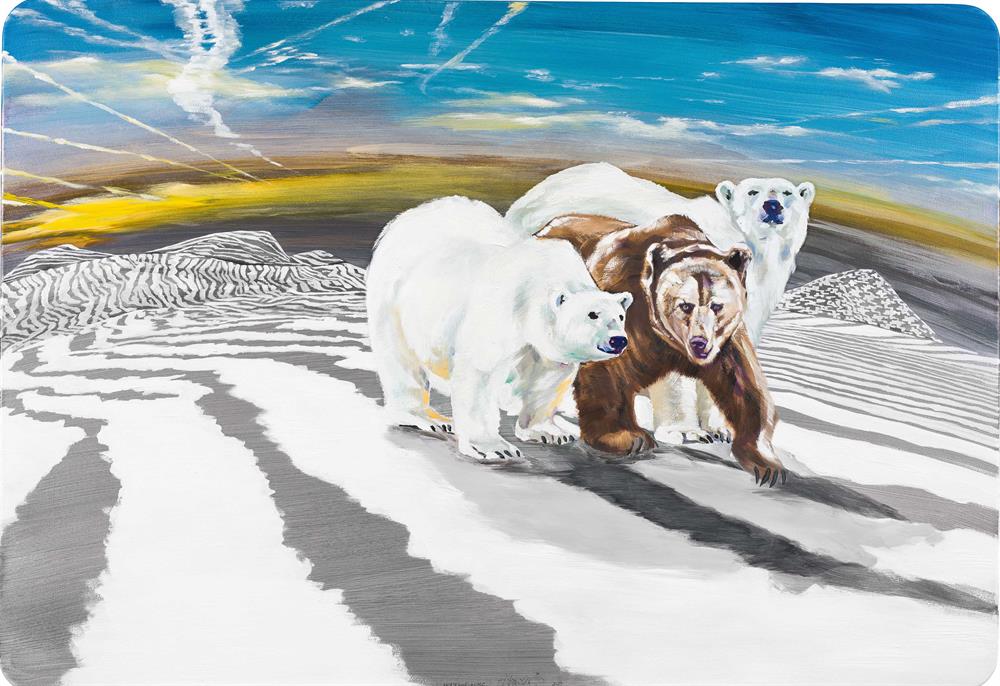 79
79Altmüller Beni Merging 2023
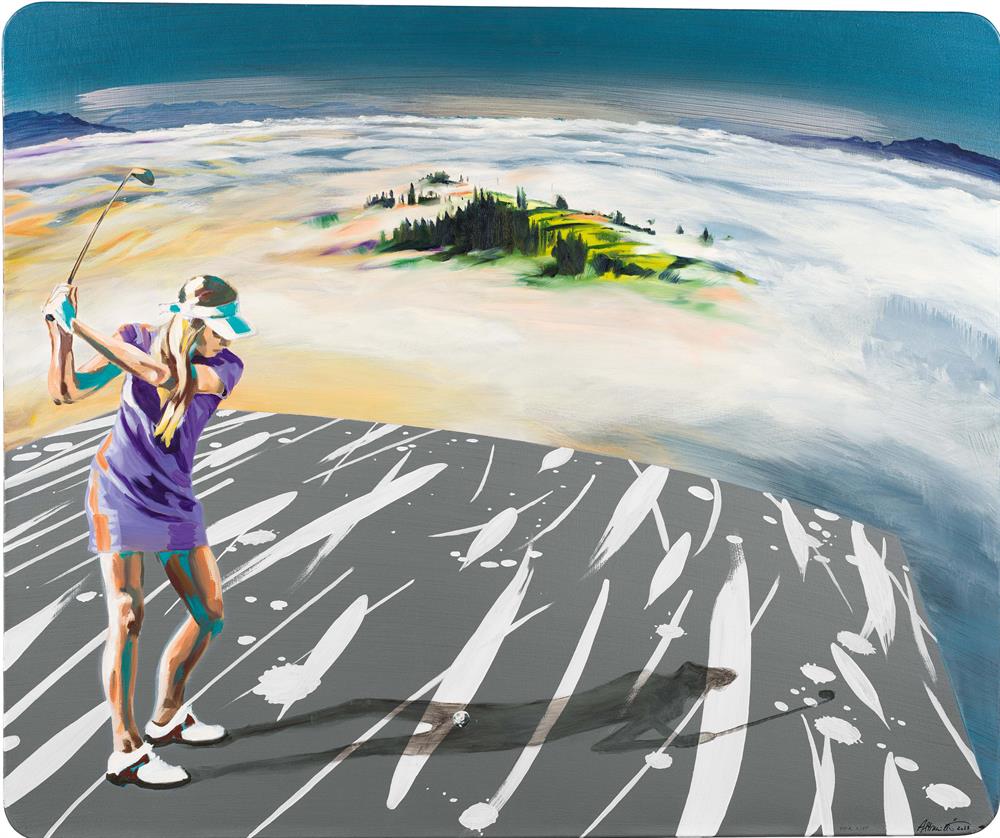 80
80Altmüller Beni Fair Way 2023
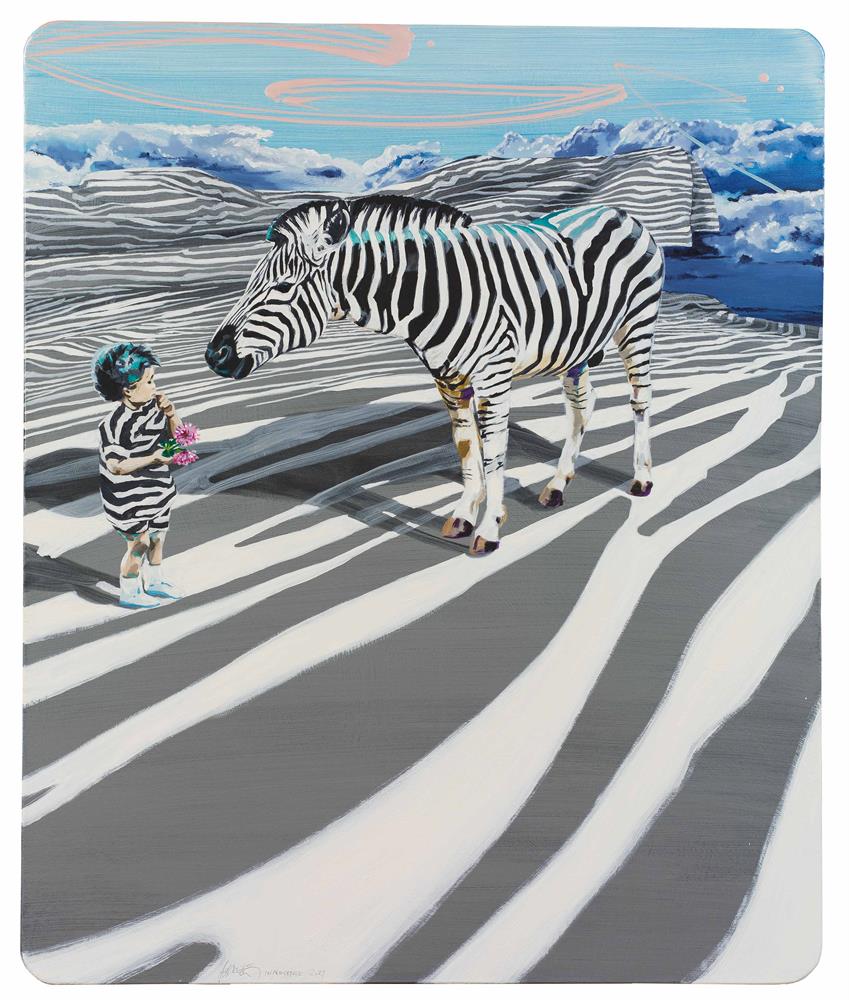
Altmüller Beni Innocence 2021
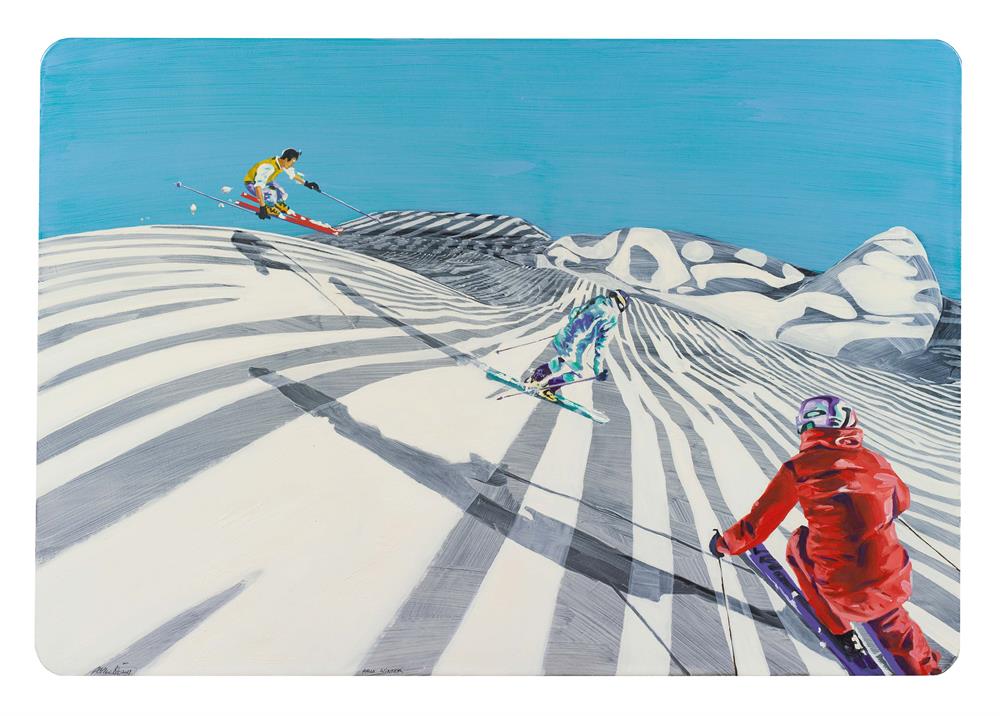
Altmüller Beni Hallo Winter 2021
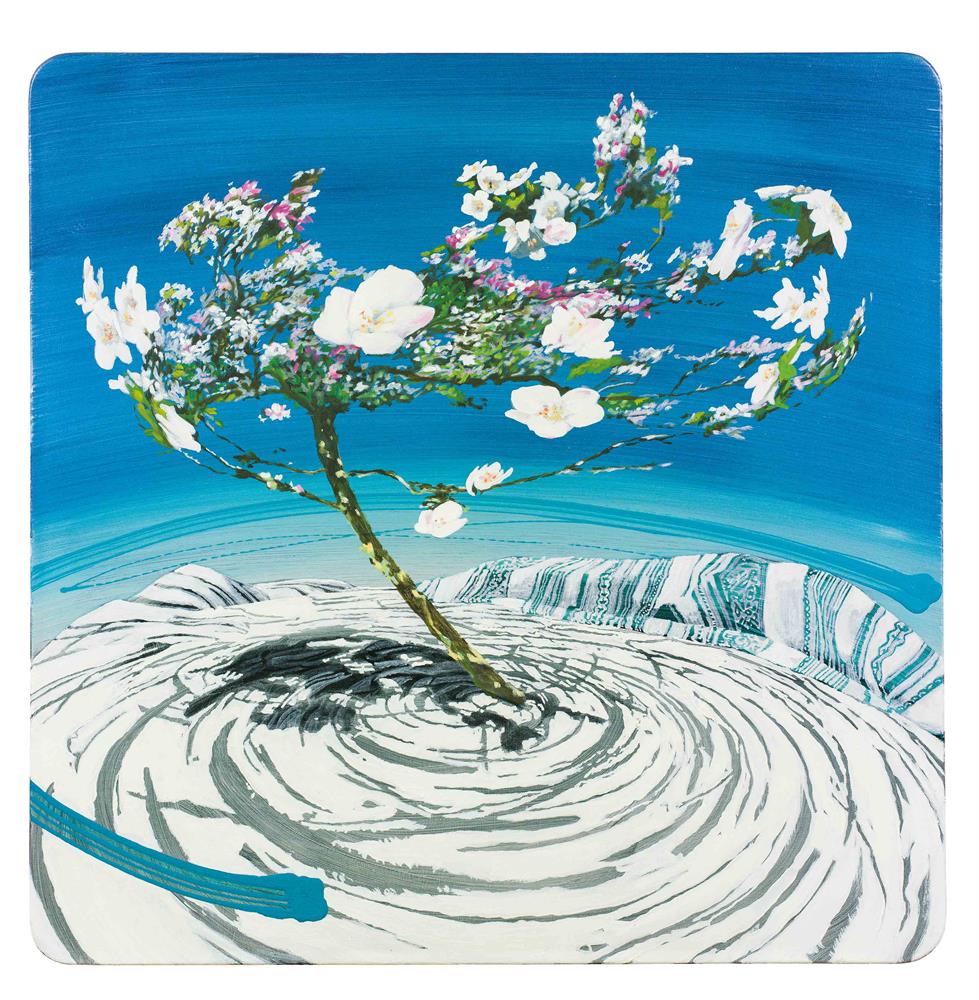
Altmüller Beni Kreislauf 2022
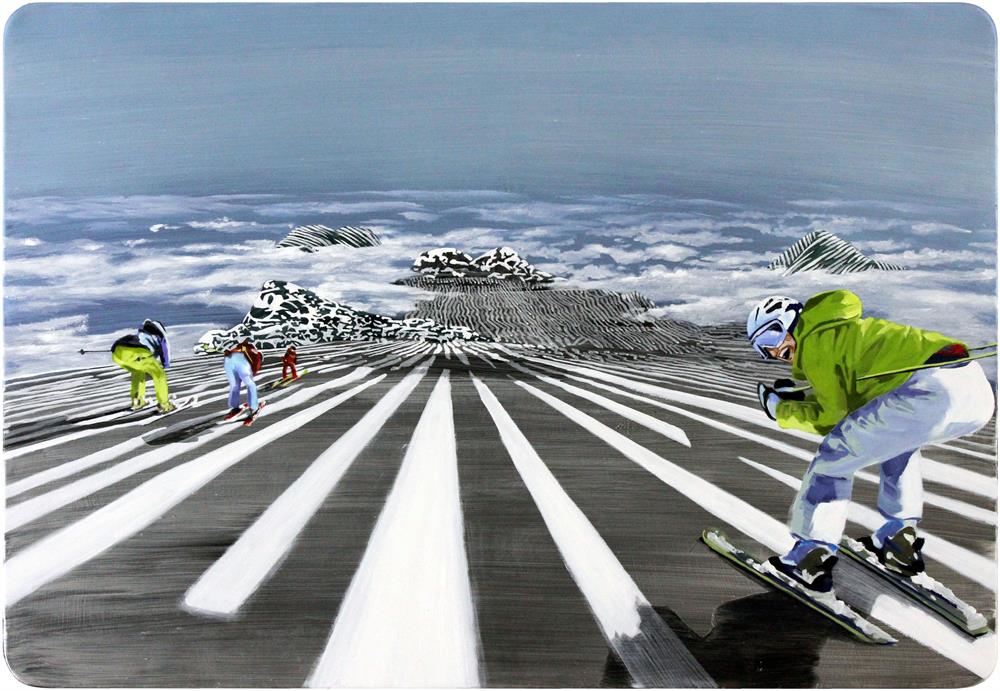
Altmüller Beni Abgefahren 2021
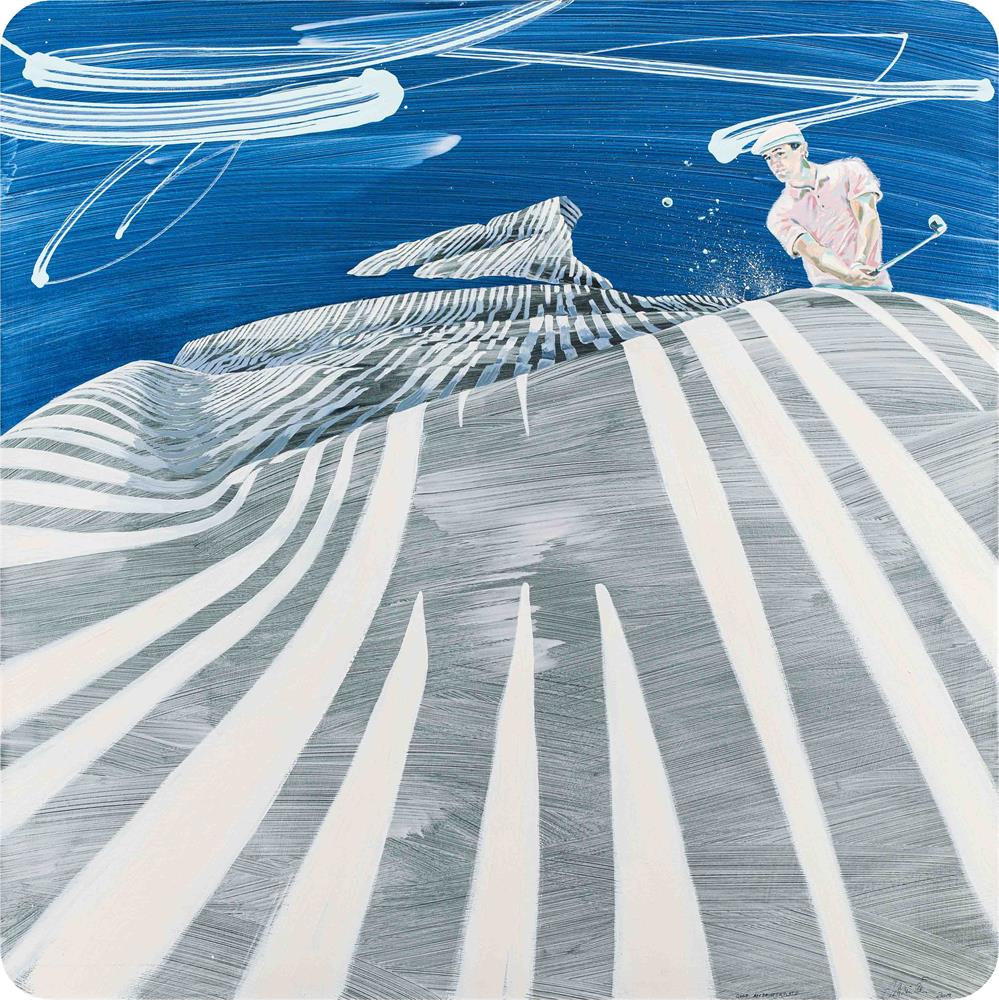
Altmüller Beni Golf on the pattern course 2019
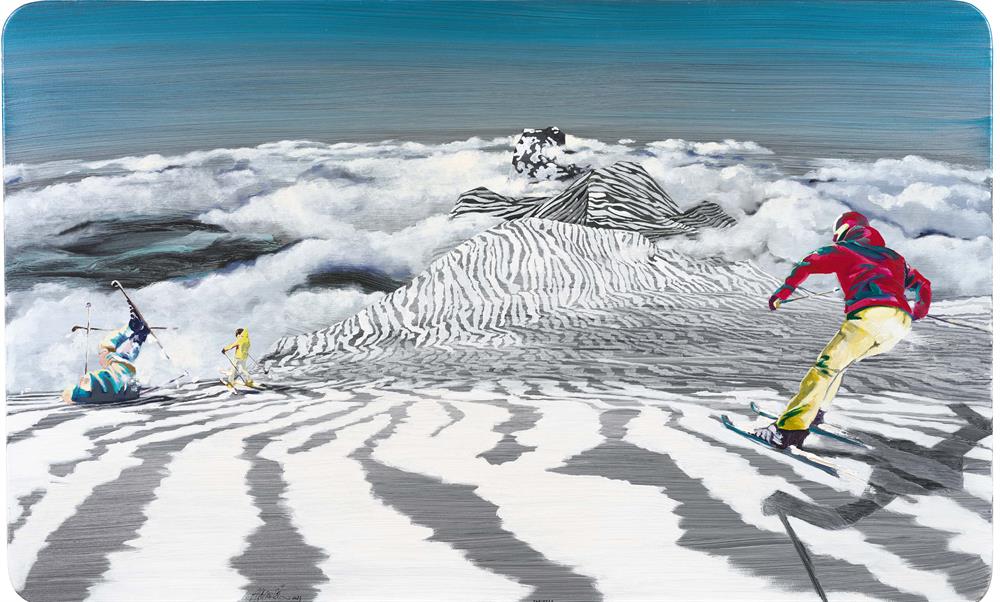 82
82Altmüller Beni Dream day 2023
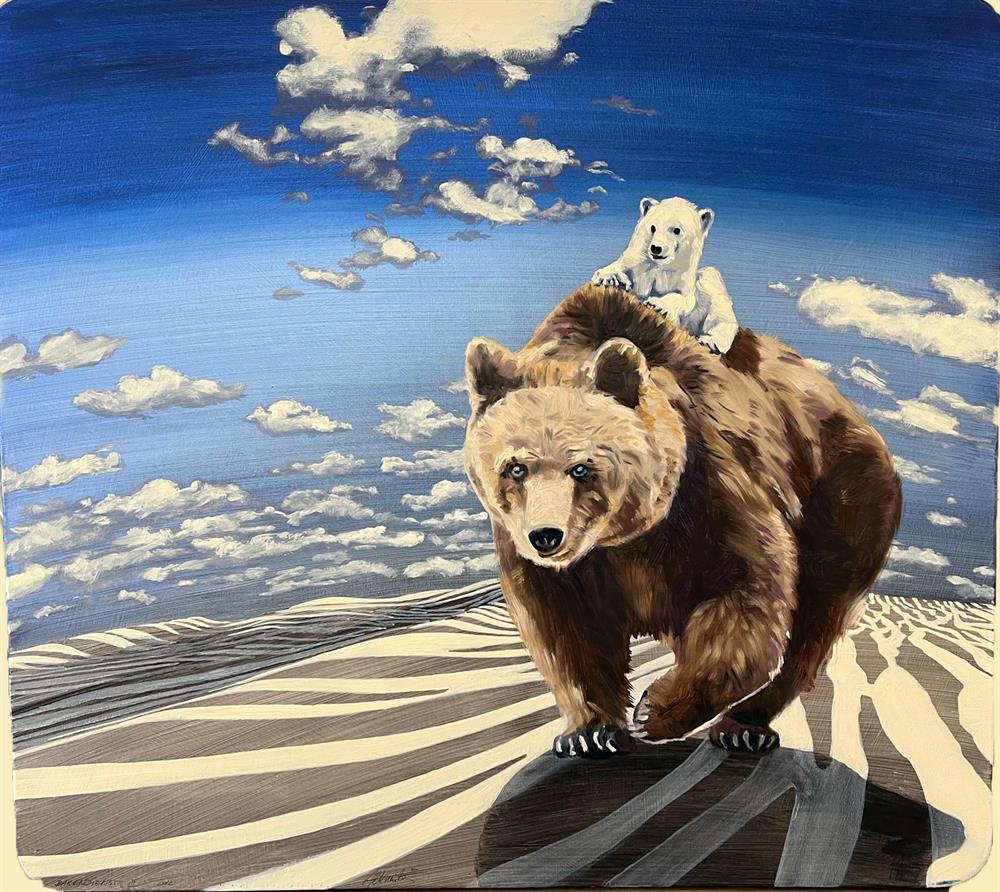
Altmüller Beni Bärendienst II 2022
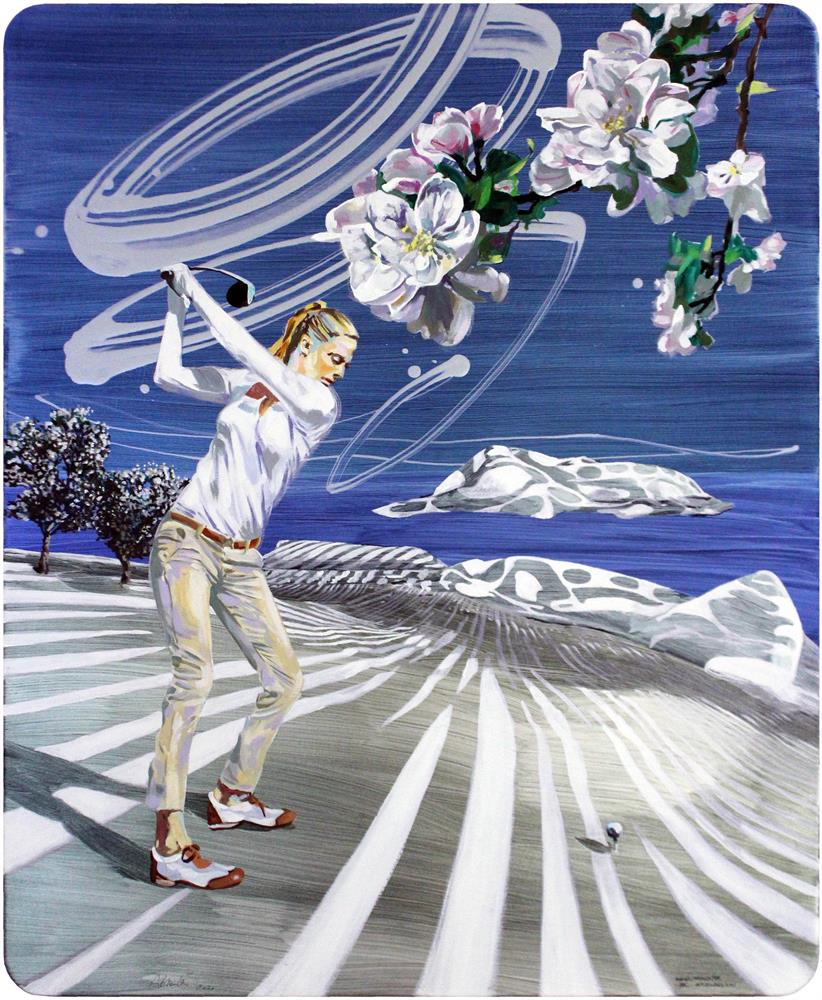
Altmüller Beni Pattern of Action at the Start of the Game 2020

Altmüller Beni Scene Alpine Idyll 2020
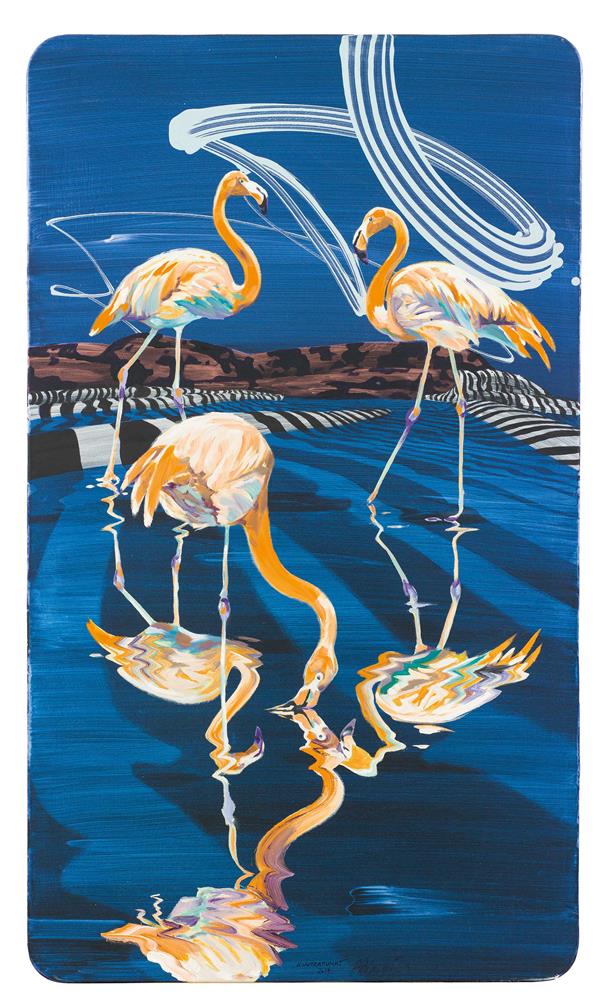
Altmüller Beni Kontrapunkt 2019
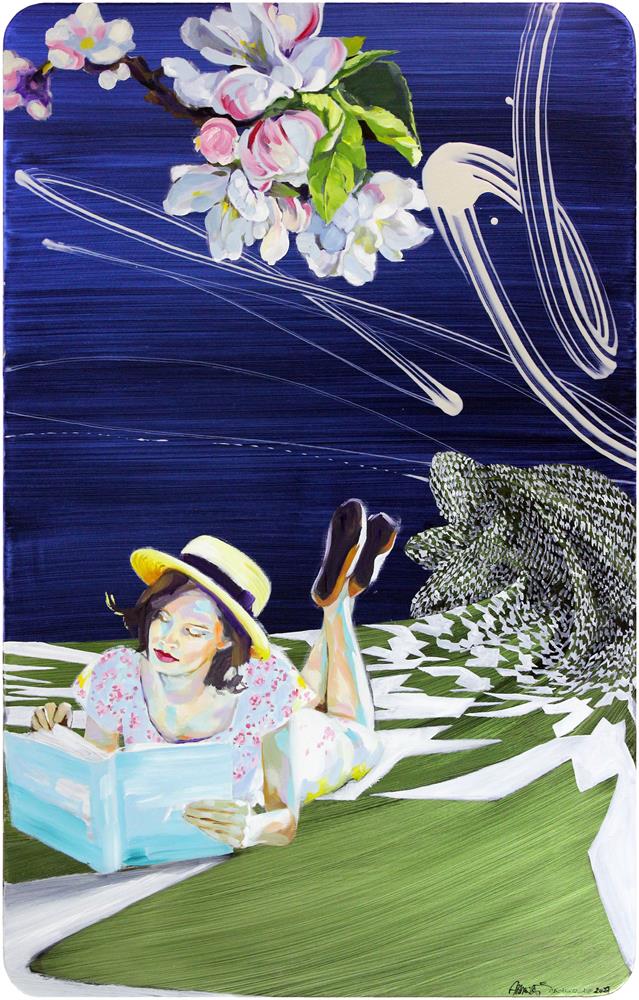
Altmüller Beni Train of Thought 2021
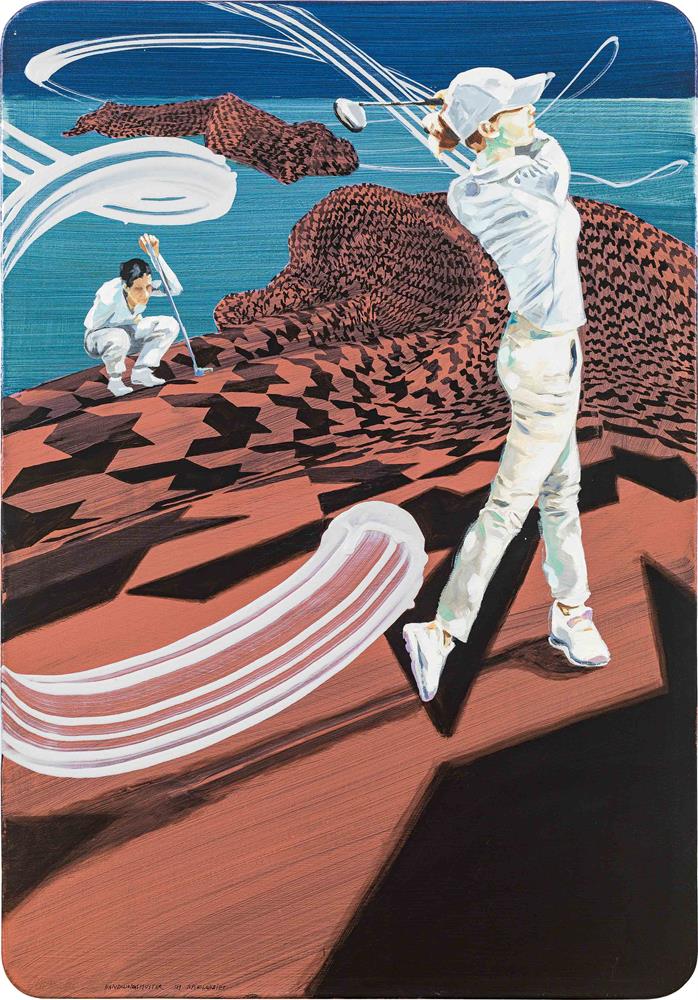
Altmüller Beni Pattern of Action on the course 2020
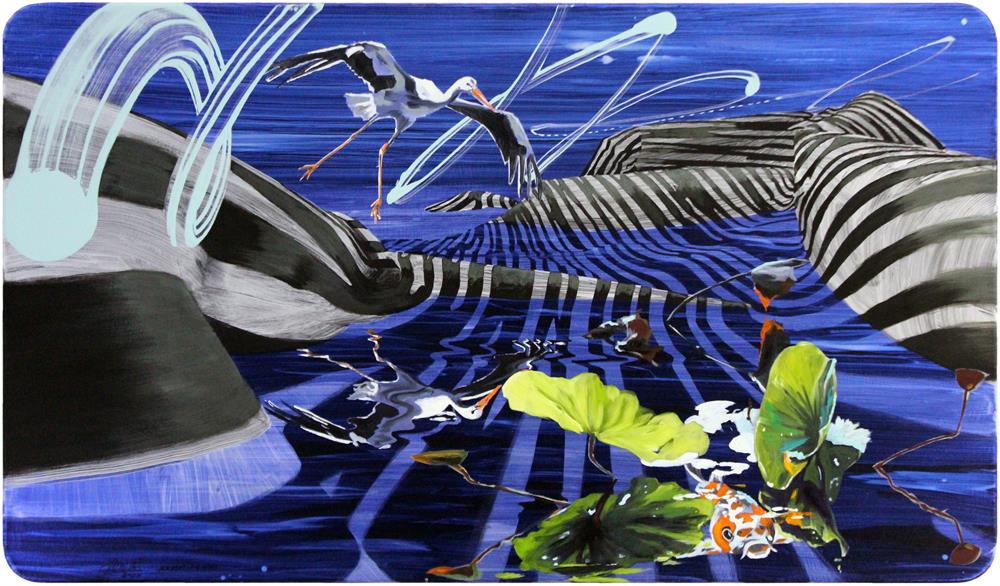
Altmüller Beni Remmidemmi 2020
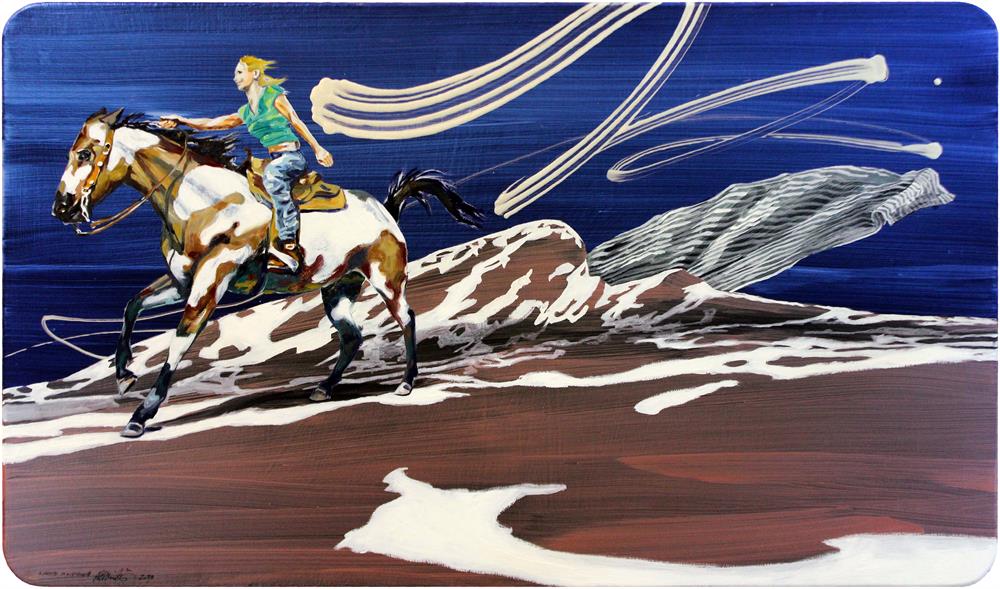
Altmüller Beni Full speed in pattern-land 2019
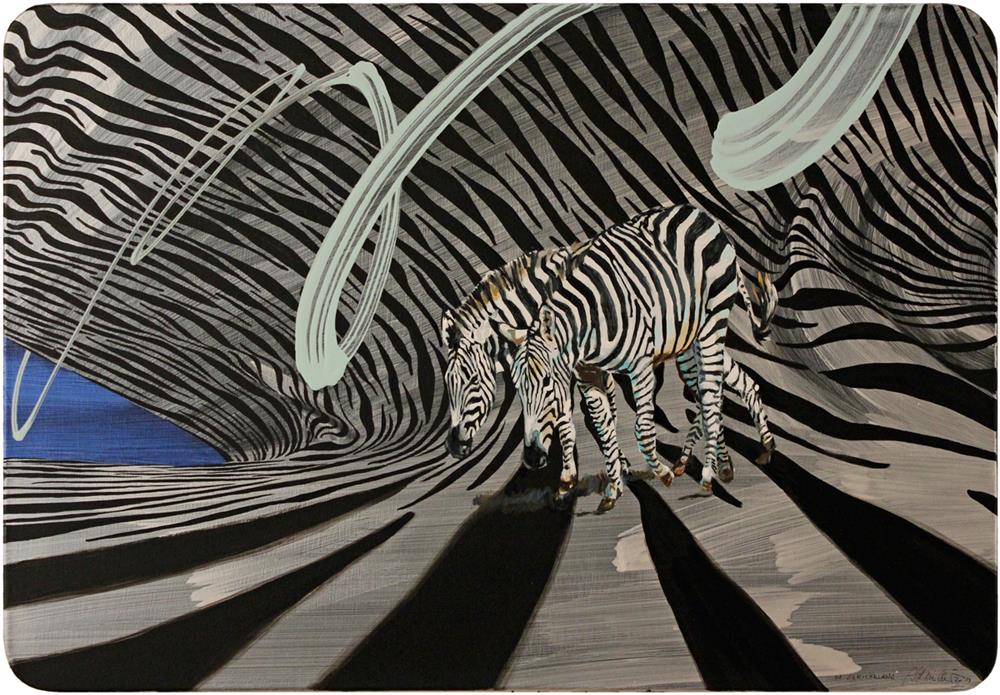
Altmüller Beni Im Gleichklang 2018
 81
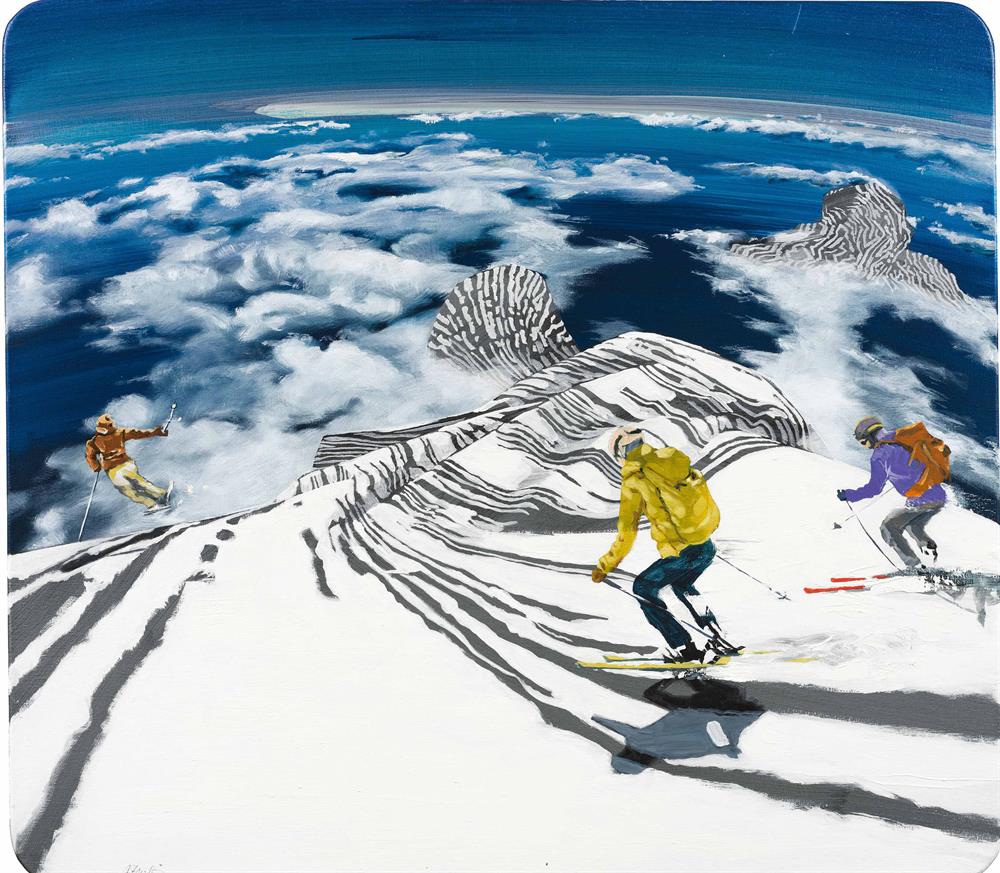
81Altmüller Beni Stripes in the snow 2023
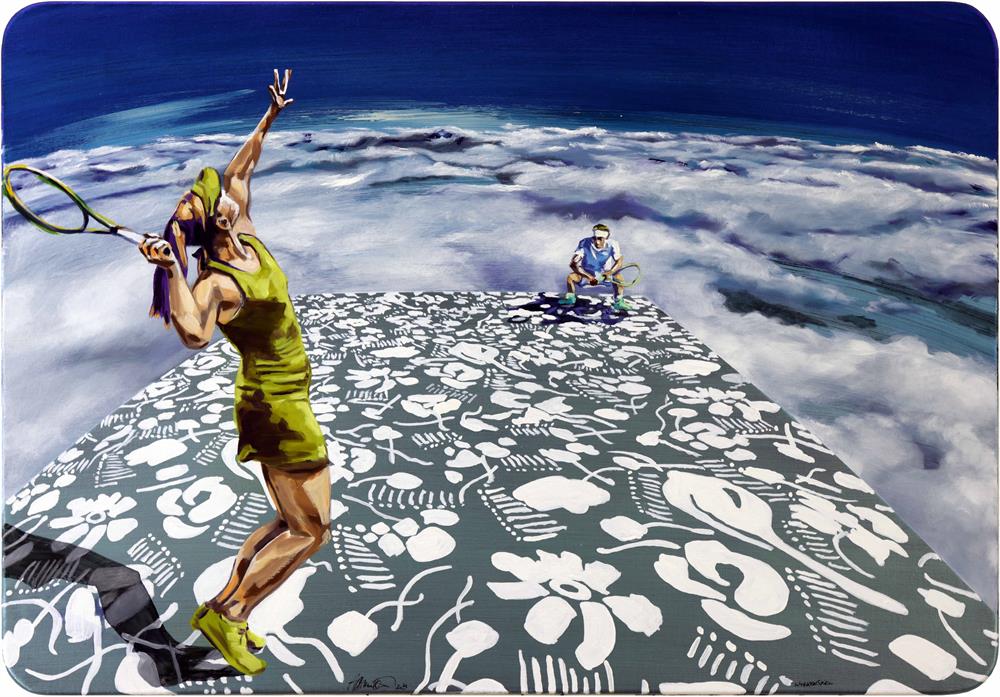
Altmüller Beni Wolkenspiel 2023
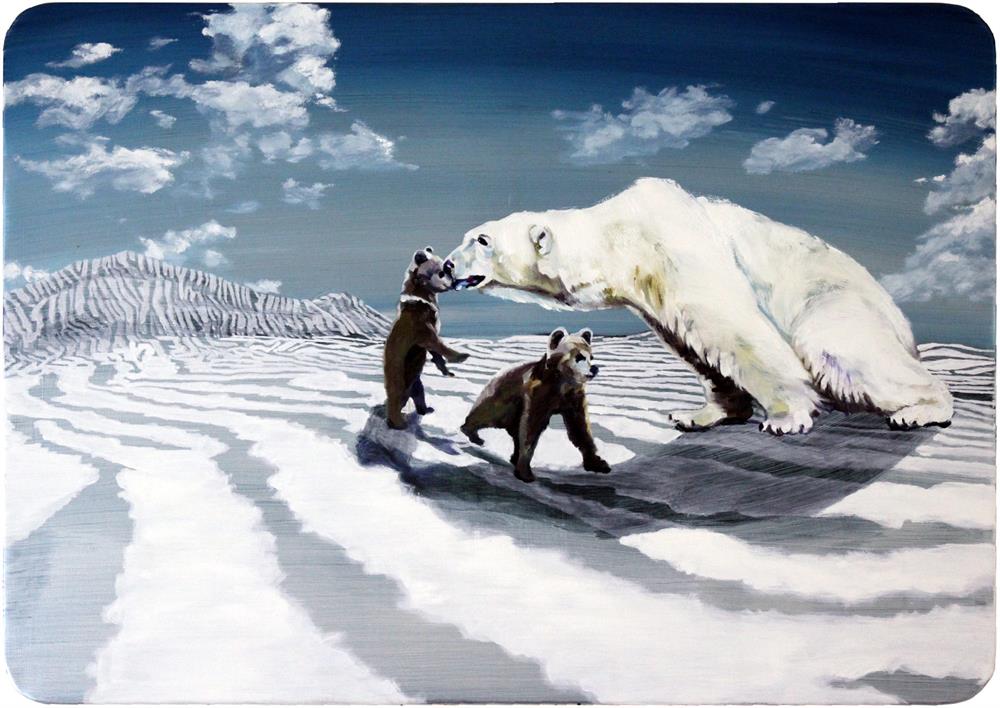
Altmüller Beni Klimawanderer 2022
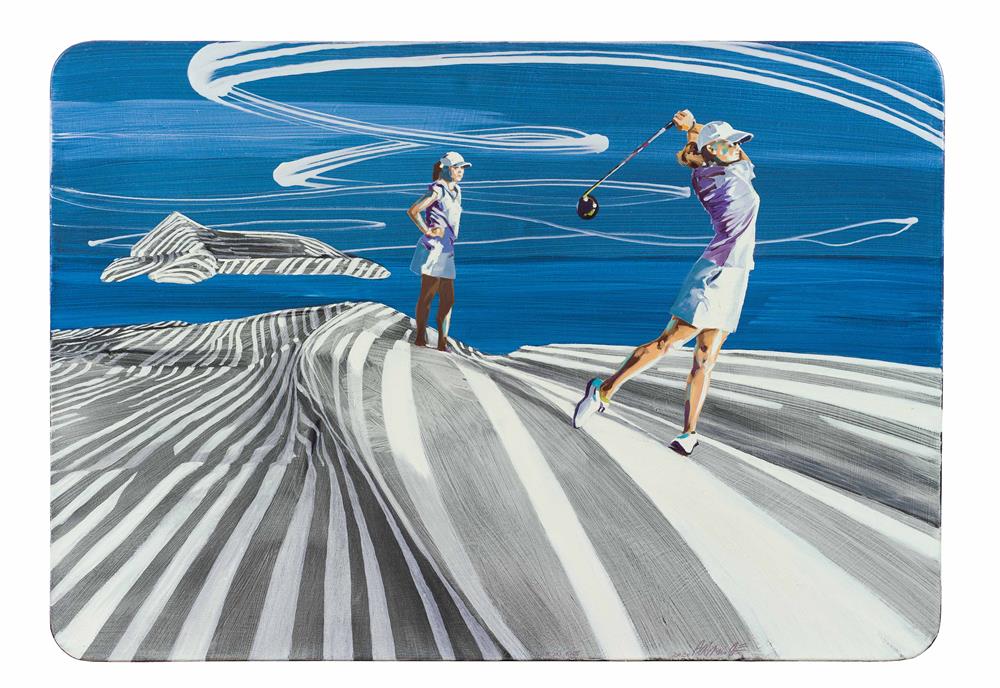
Altmüller Beni Hole in One 2020
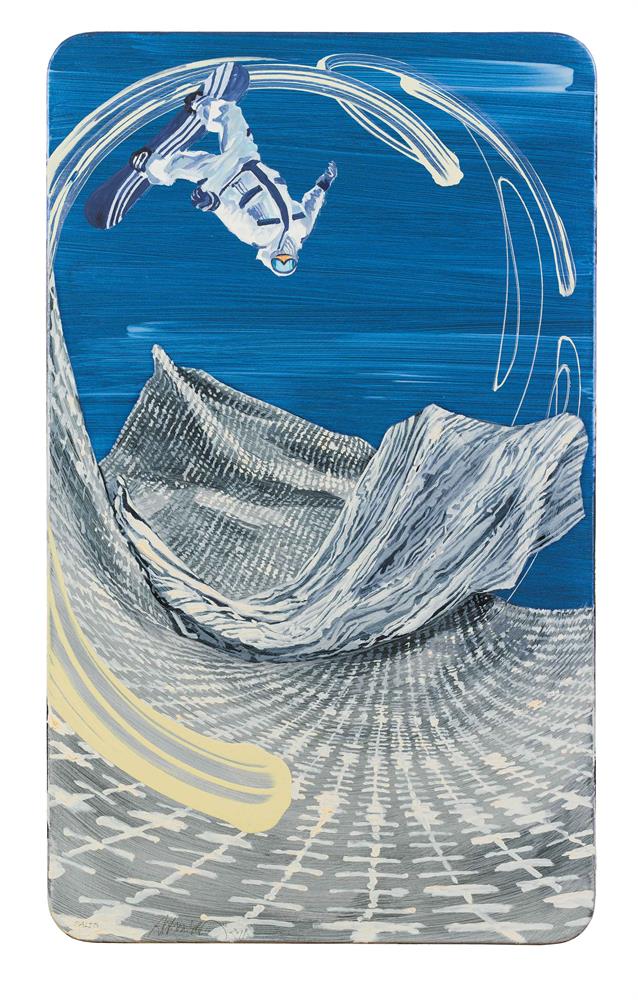
Altmüller Beni Salto 2019
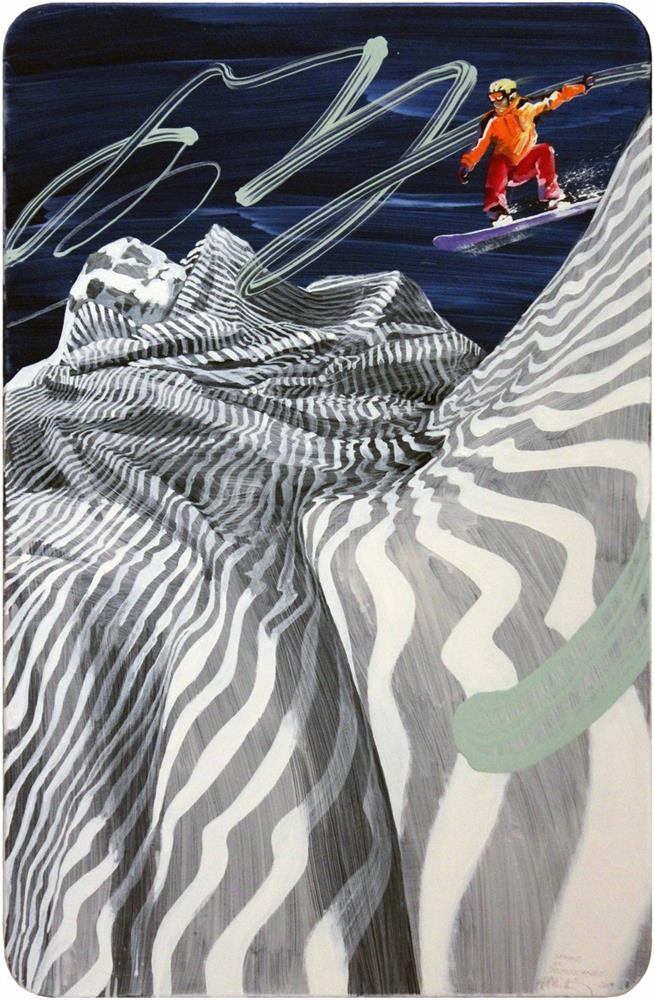
Altmüller Beni Leap in striped Snow 2019
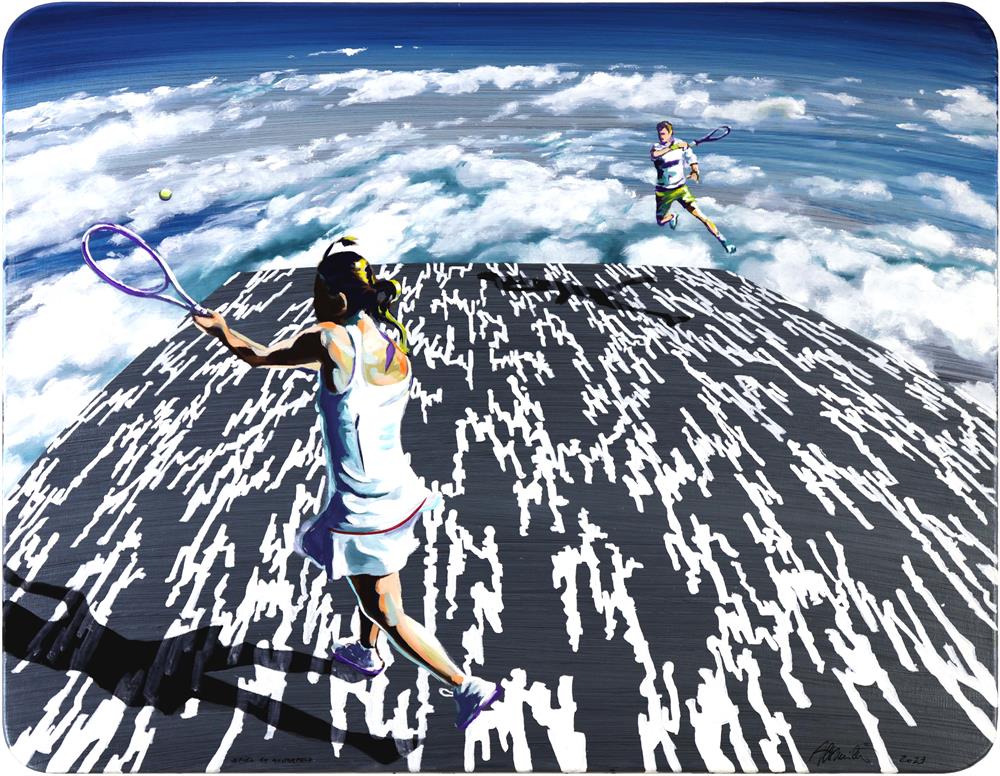
Altmüller Beni Klimawanderer 2022
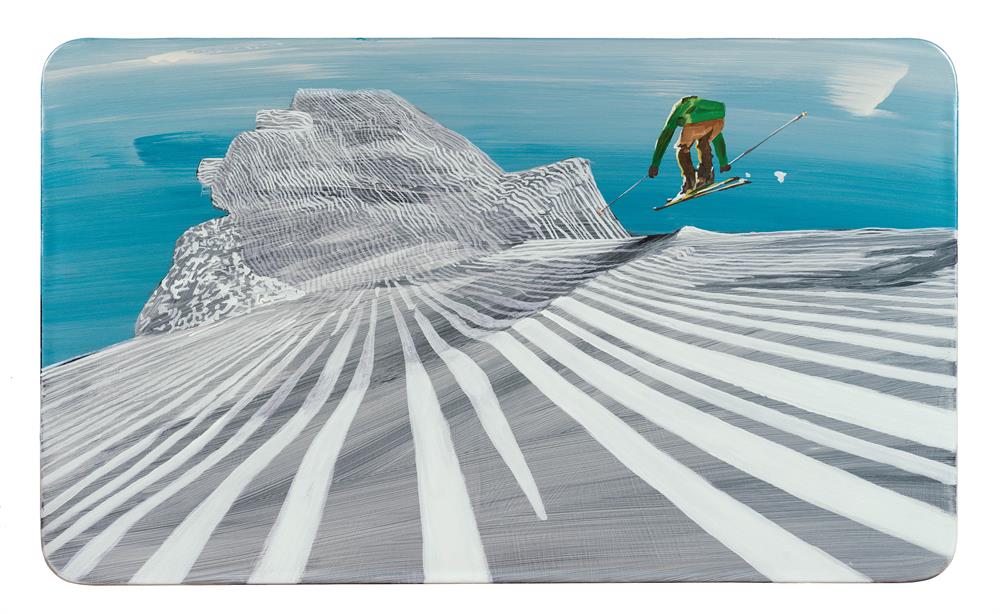
Altmüller Beni Departure 2022
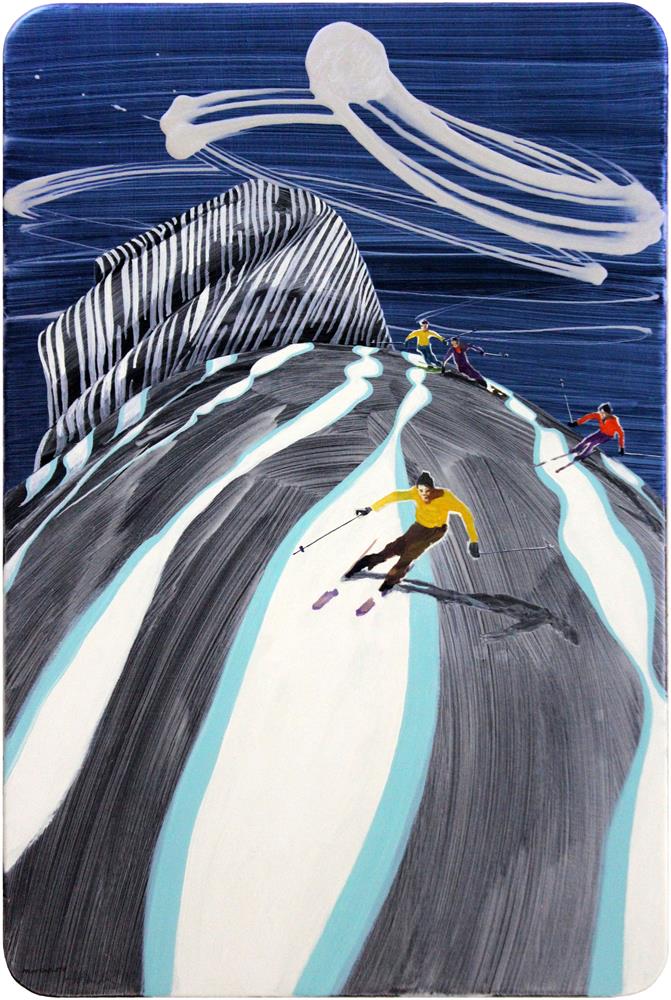
Altmüller Beni Pattern Slope 2020
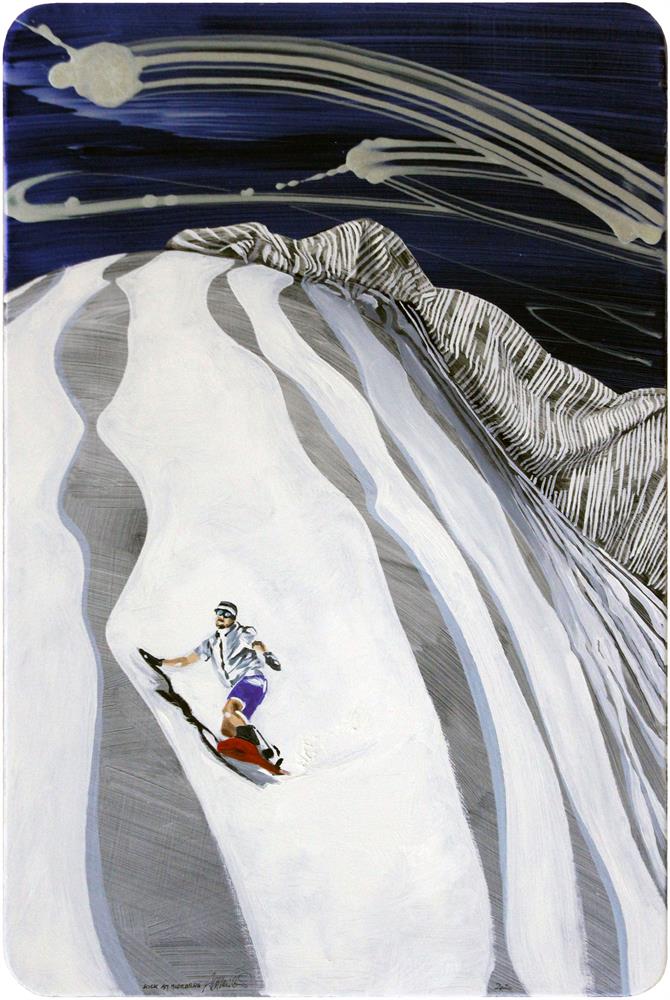
Altmüller Beni Kick on Mount Fashion 2020
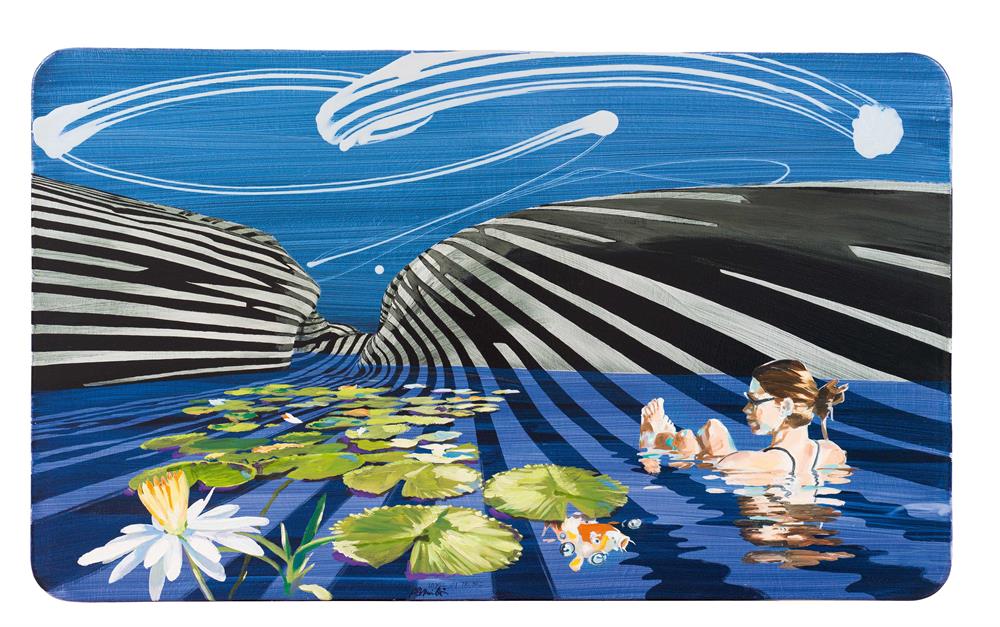
Altmüller Beni Idyll im Trubel 2020
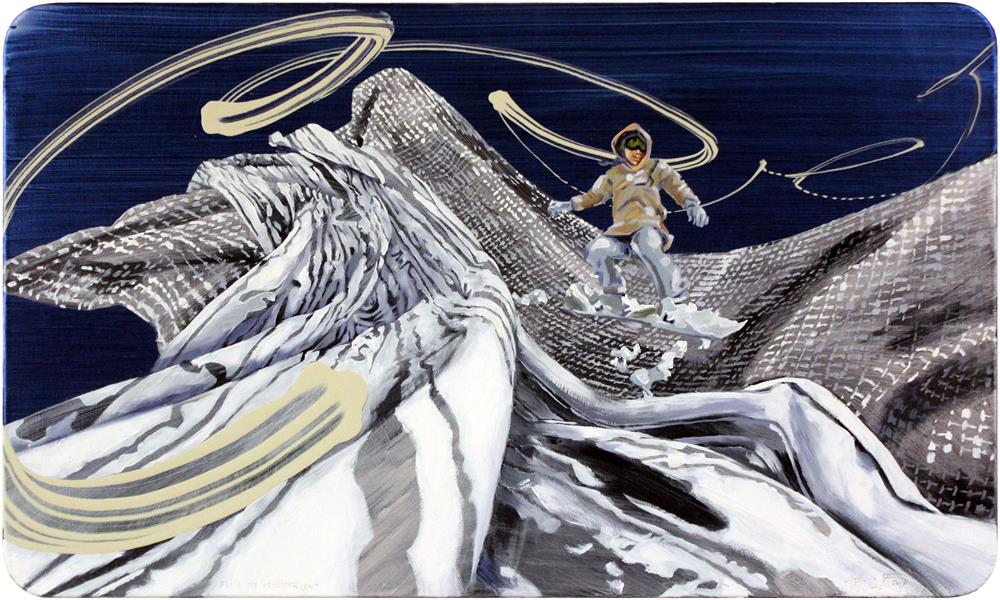
Altmüller Beni Flight in Pattern-Land 2019
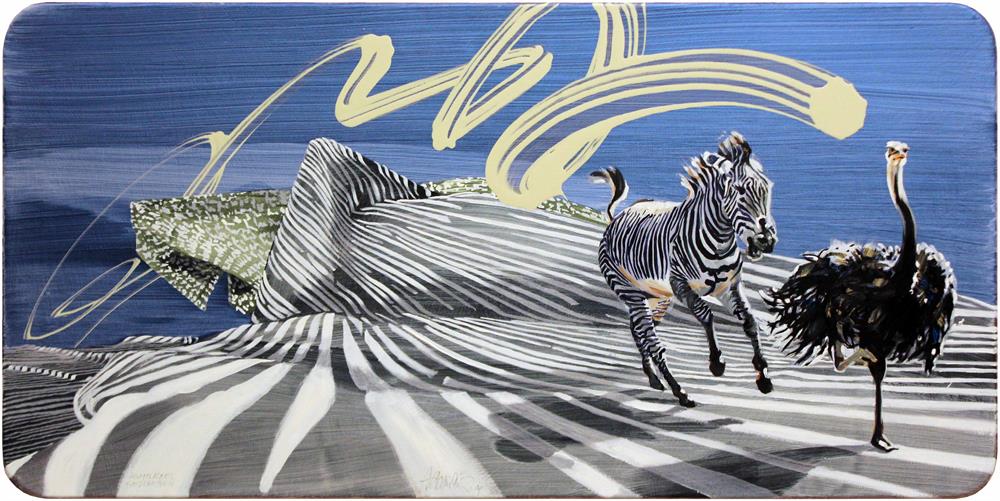
Altmüller Beni Complex Happening 2019
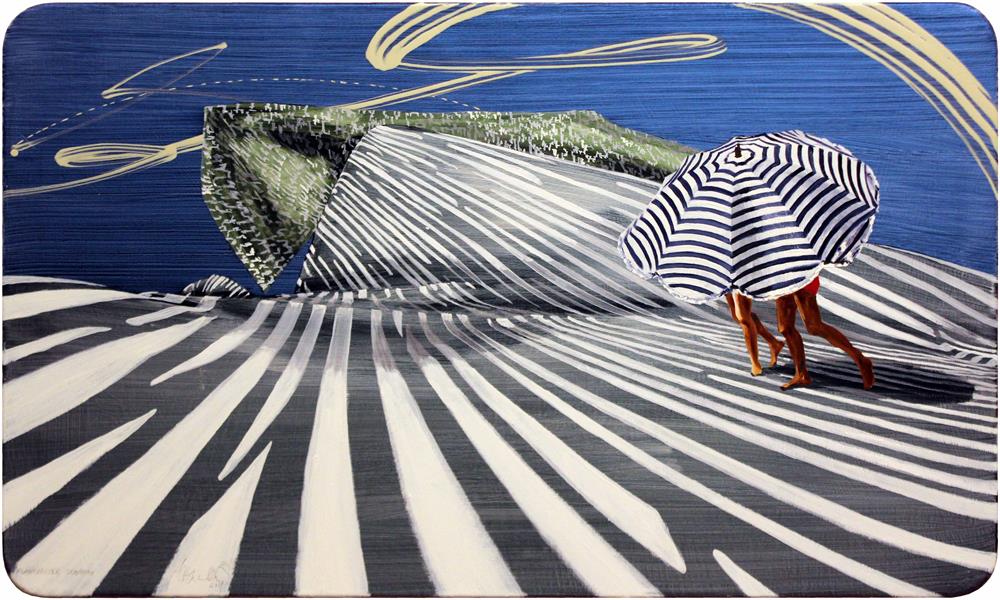
Altmüller Beni Strolling Shadow 2019
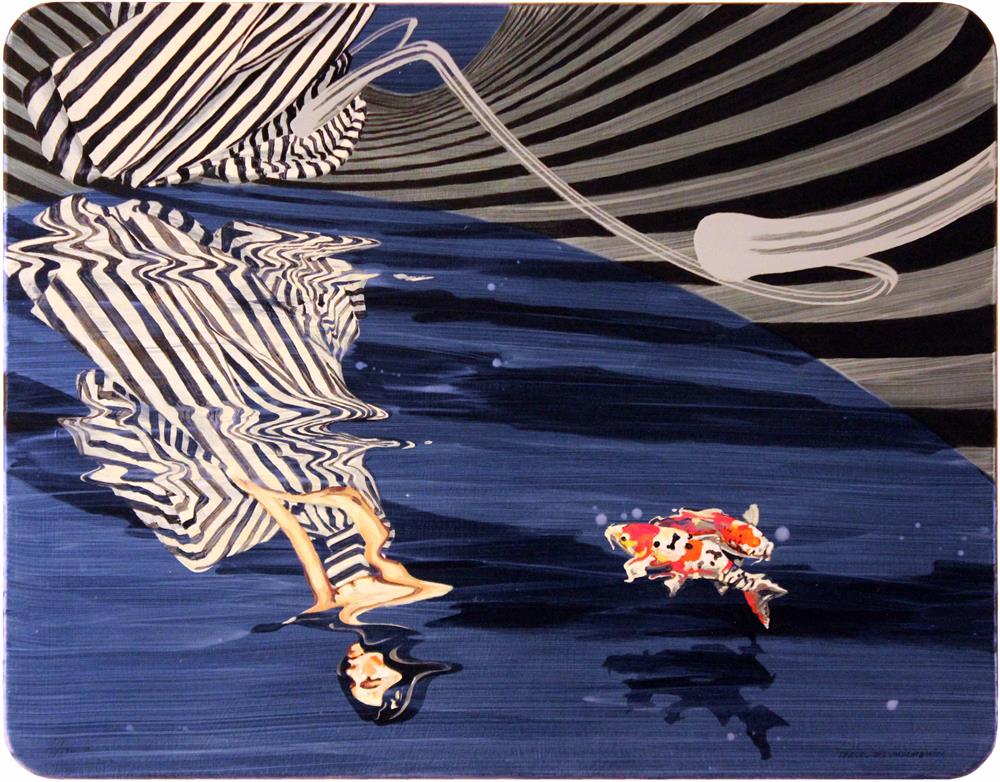
Altmüller Beni Mirror of the Invisible 2019
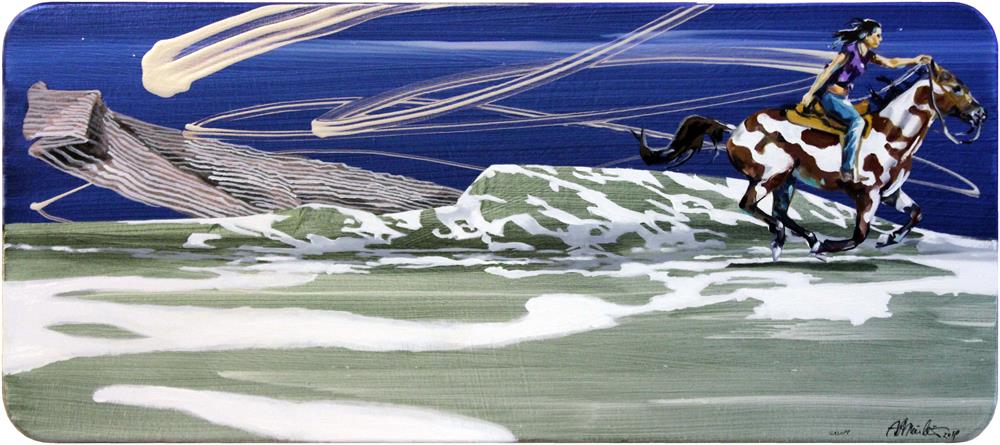
Altmüller Beni Galop 2019
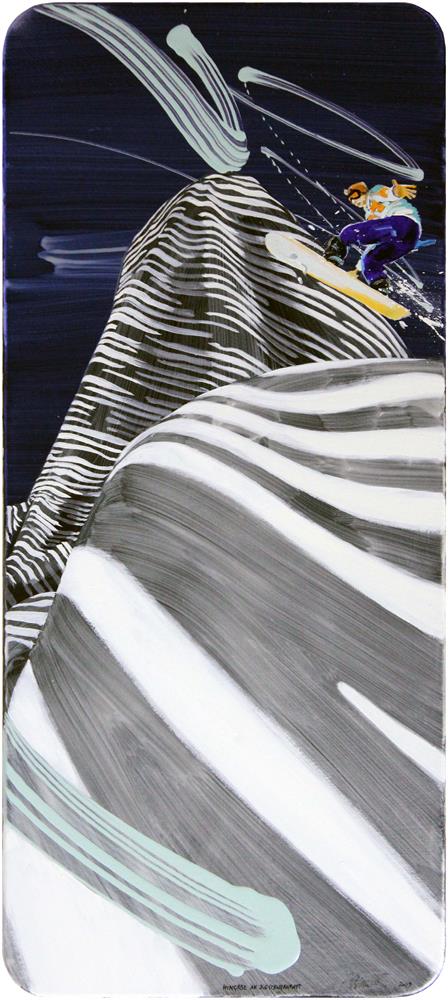
Altmüller Beni Devotion to Gravity 2019
Altmüller Beni Drive on the Golf course 2020
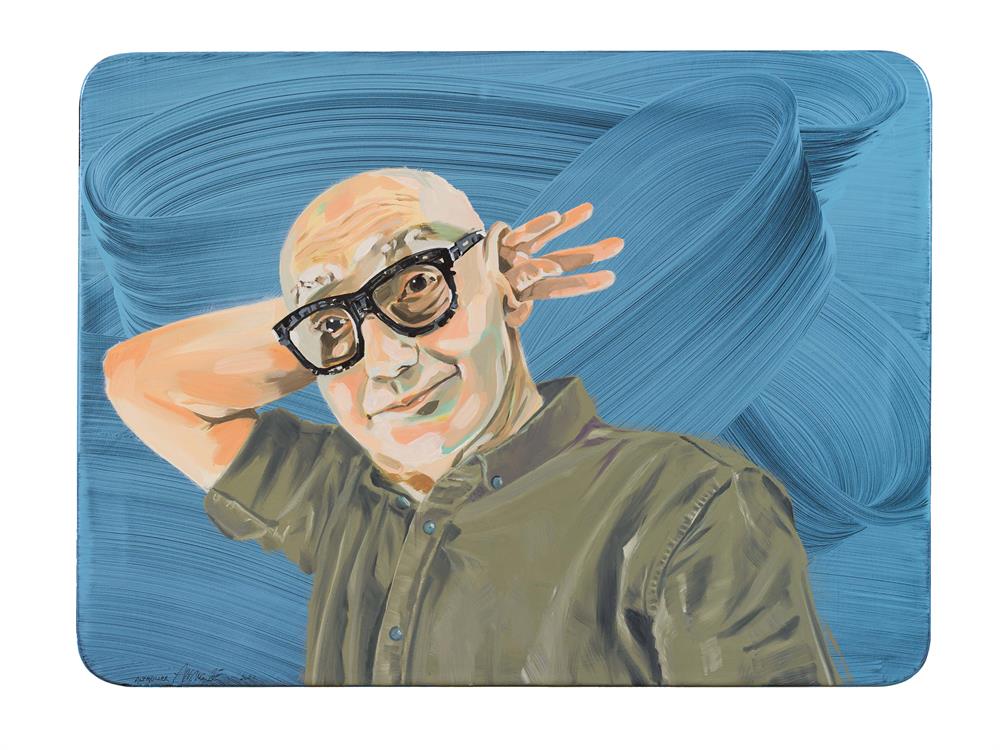
Altmüller Beni Drive on the Golf course 2020

Altmüller Beni Spring 2020
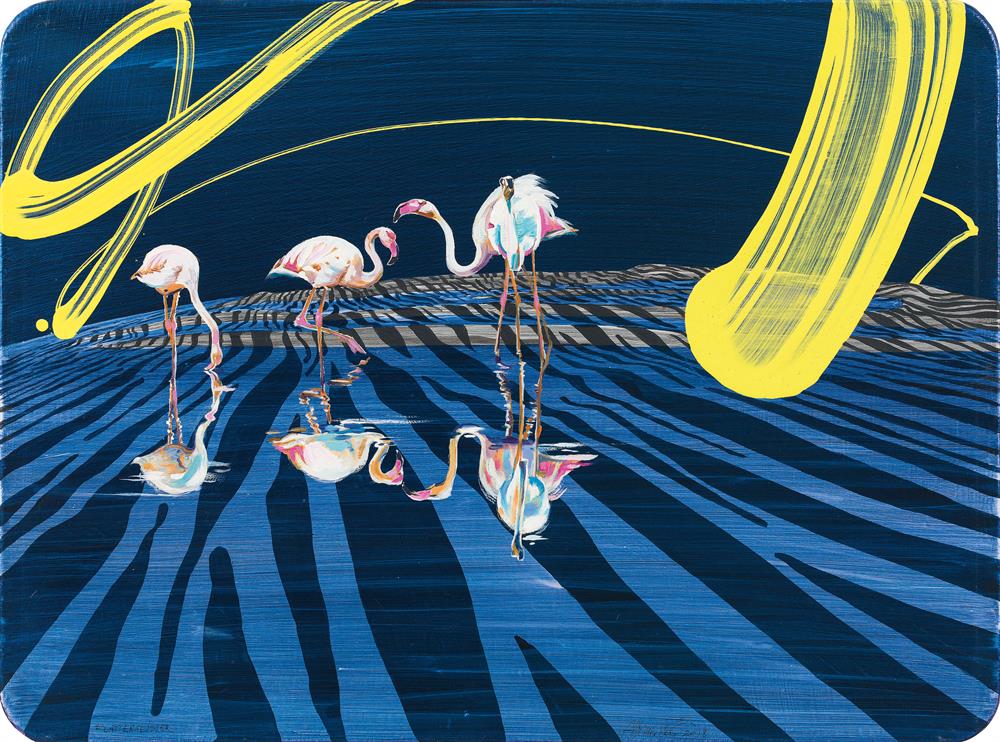
Altmüller Beni Flattergeister 2018
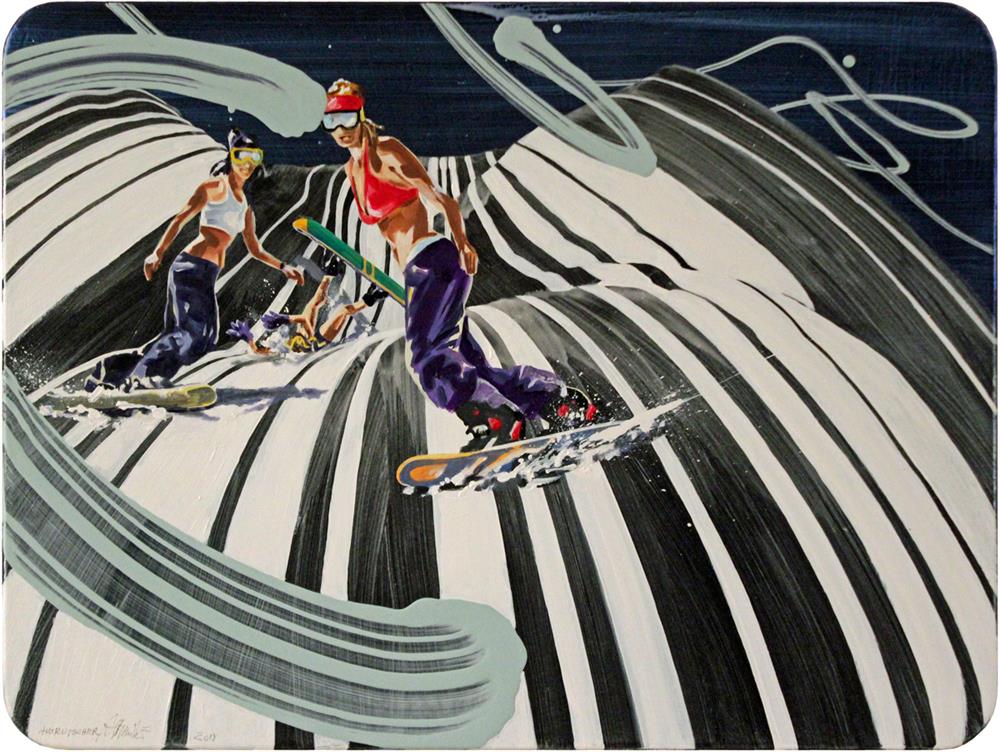
Altmüller Beni Ausrutscher 2018
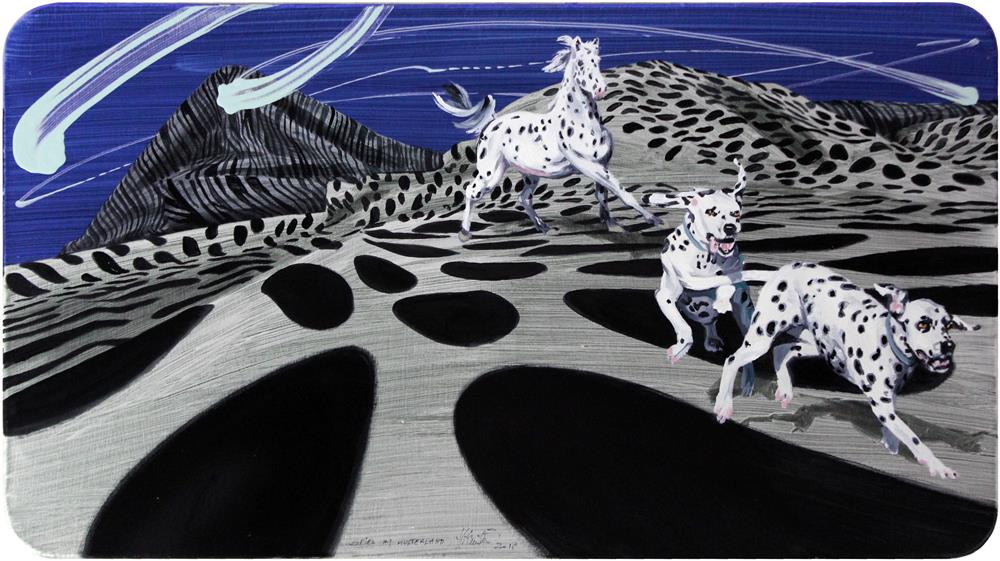
Altmüller Beni Game in Pattern-Land 2019
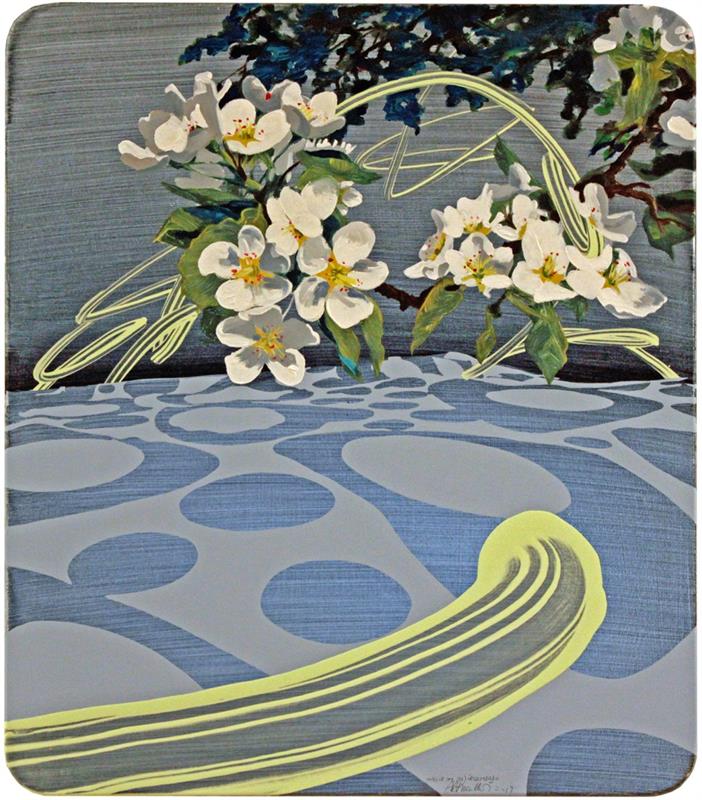
Altmüller Beni Magie im (N)irgendwo 2014
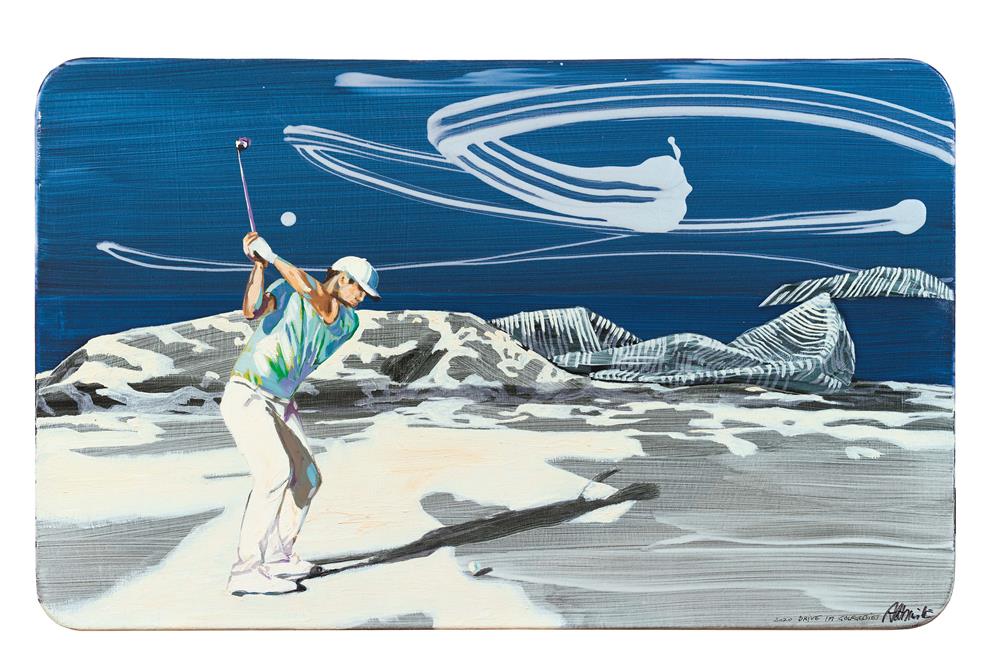
Altmüller Beni Drive im Golfgebiet 2020
Biography
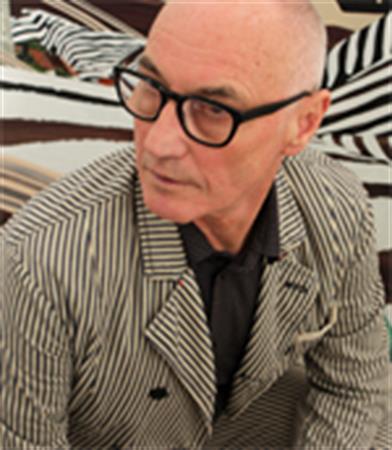
Beni Altmüller earned his degree in Arts and Industrial Design at the Linz University of Arts in 1977. From 1978 to 1995 he ran the “Altmüller-Bogner” studio. In the early 80s he became the artistic director and manager of the “Posthof – Zeitkultur am Hafen” (a cultural centre in Linz). Altmüller staged exhibitions and performances and earned an international reputation as a designer, architect and sculptor. From 1997 to 1999 he worked on a new 13,000 m² hall for VOEST-ALPINE (a steel-based technology and capital goods group headquartered in Linz), an impressive edifice with a light satellite in front of a soaring crescent-shaped office building. Since 2000, the artist has largely devoted himself to painting and sculpture.
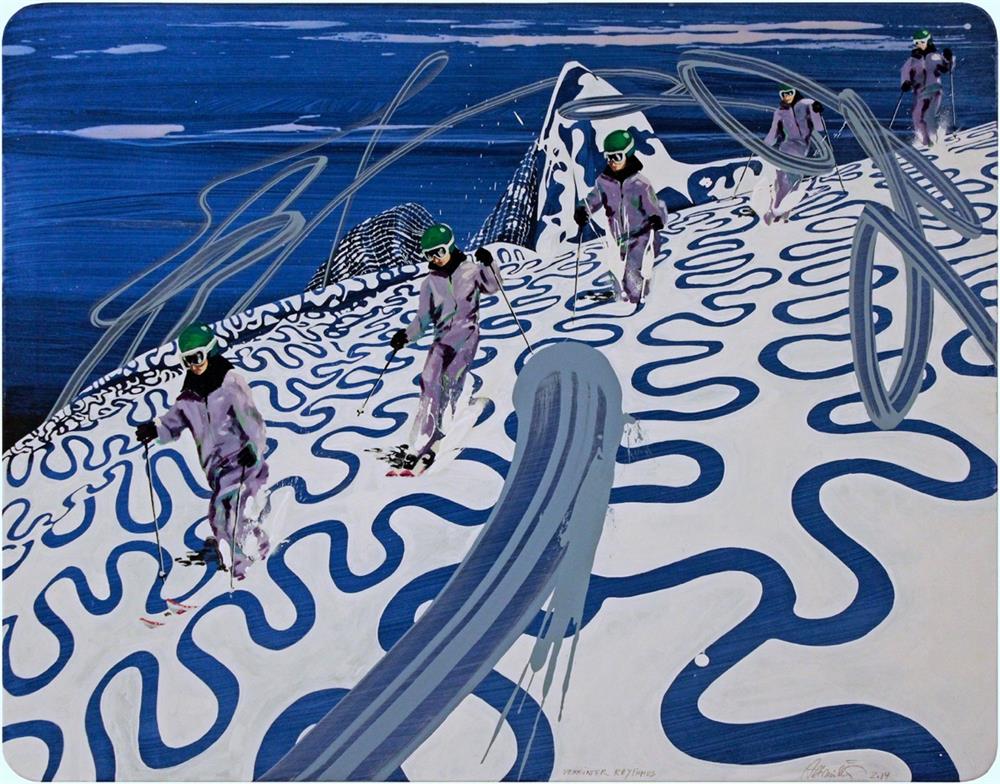
“I’m interested in the relationship between “I” and “Self”. The essence of it, the actual state of living, arises from the dialogue between the conscious and the subconscious, between emotion and reason.” This dialogue is reflected in Altmüller’s work, especially in the contrast between the wide expressive-impulsive brushstrokes and figurative painting. The artist himself describes these colourful strokes as “DNA, the strands of life”, that are first on a canvas and thus provide a framework and a guideline for subsequent painting. The contrast between his “stencil pattern” backgrounds and realistic human representations pushes the paintings beyond time and space. Beni Altmüller intensifies the dream-like effect of his paintings with contradictory, topsy-turvy perspectives that bring about spatial ambiguity.